Willian Pacho: "My mentality is always to fight to the end"
Men's football•
The Paris Saint-Germain centre-back spoke to UEFA ahead of the first leg of his side's last-16 tie against Chelsea FC at the Parc des Princes on Wednesday.

















Willian, we got to hear a message from your former manager at Huracán de Quinindé, Byron Cedeño Ávila, who spoke about you with a lot of emotion and pride. What do you remember about that period?
"I really enjoyed hearing his voice. He helped me a lot when I was starting out at Quinindé, my hometown club. I got the chance to train with him at a time when I didn't yet know how far I could go. He's always done things through a love of football, and I'm really grateful to him for everything that he did for me."
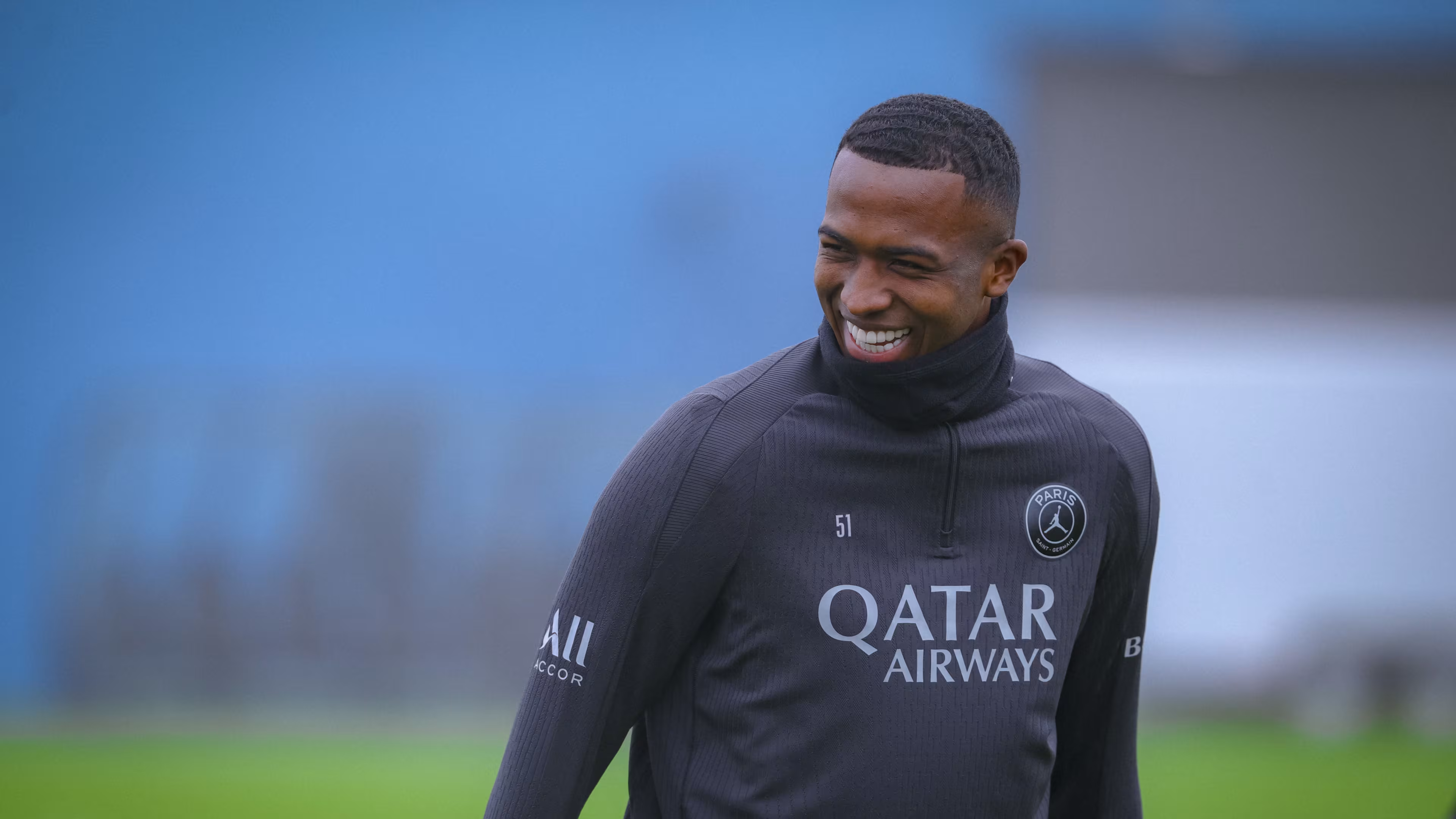
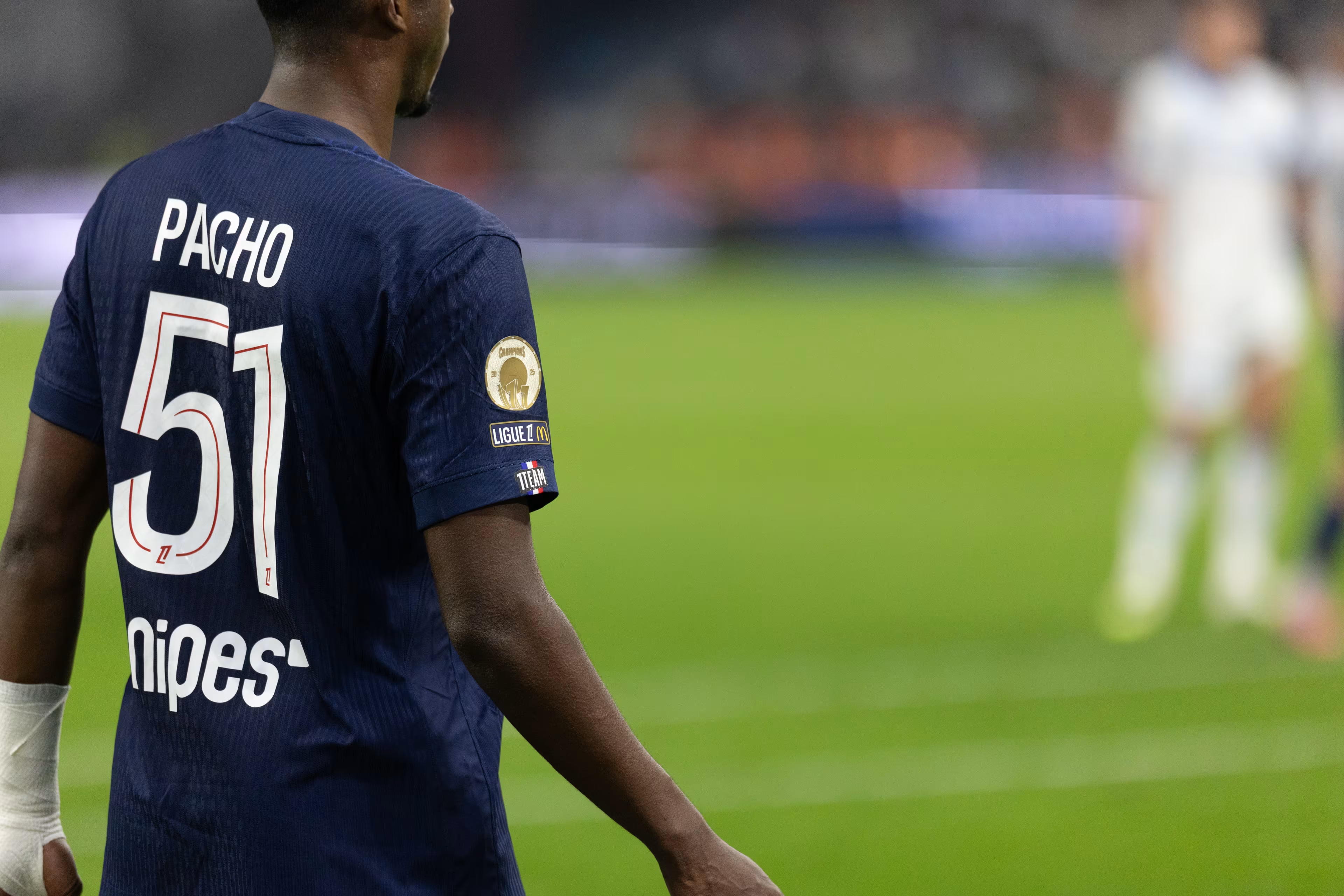
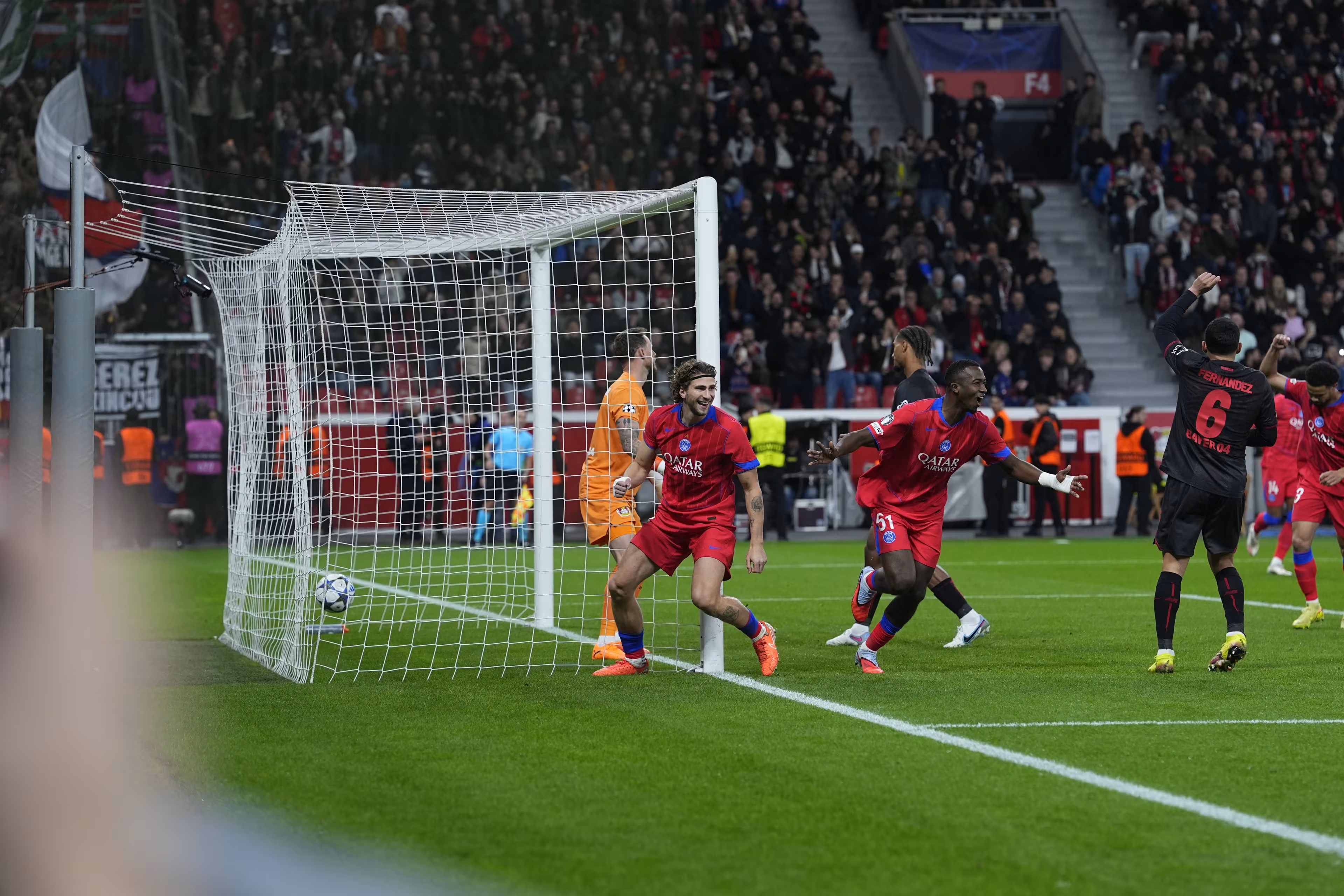
Your shirt number, 51, is a tribute to your mother. Can you explain what it means to you?
"I wore that number for a long time at Independiente del Valle and then at Royal Antwerp, and I became attached to it, but the main reason behind it is related to my mother, who passed away at the age of 51. Wearing that number is a way for me to pay tribute to her, and it gives me strength in every game."
Beyond its symbolic value, what does that number mean to you on a day-to-day basis?
"It's a way for me to keep my mum close to me. She passed away due to cancer, and wearing that number reminds me that she's always with me. I feel her presence on the pitch, and that gives me the strength to keep going."
When times are tough, does feeling that support from your family help you to stay strong mentally?
"Yes, I really do feel it. In every minute of every game, even when times are tough, I feel as though I have that support. I firstly want to thank God, who is always there, but also my mum, who raised me and helped me to become the person that I am today. When times are tough, I know that they're always with me."
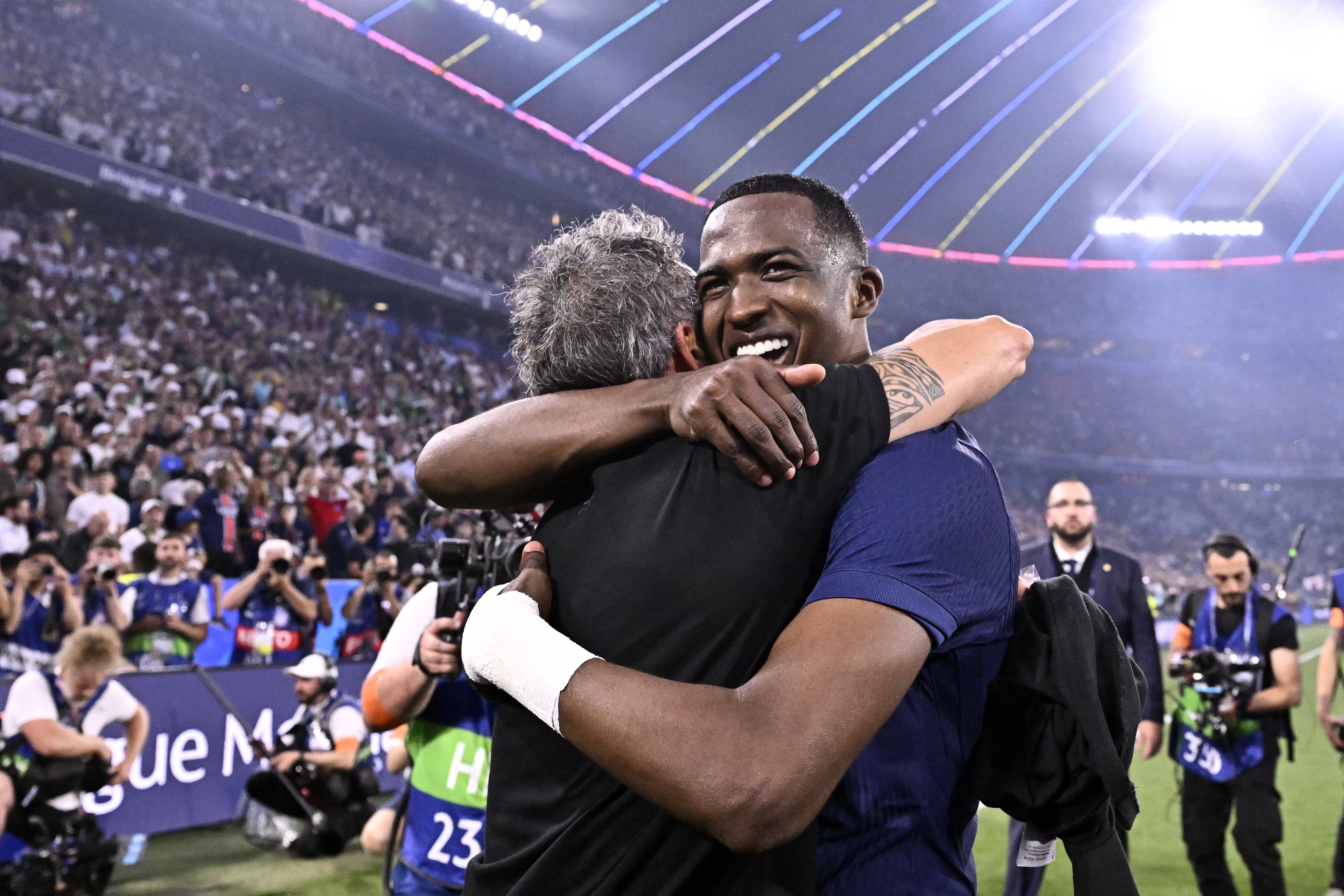
When you think back to the UEFA Champions League final that you won in Munich, what emotions come back to you?
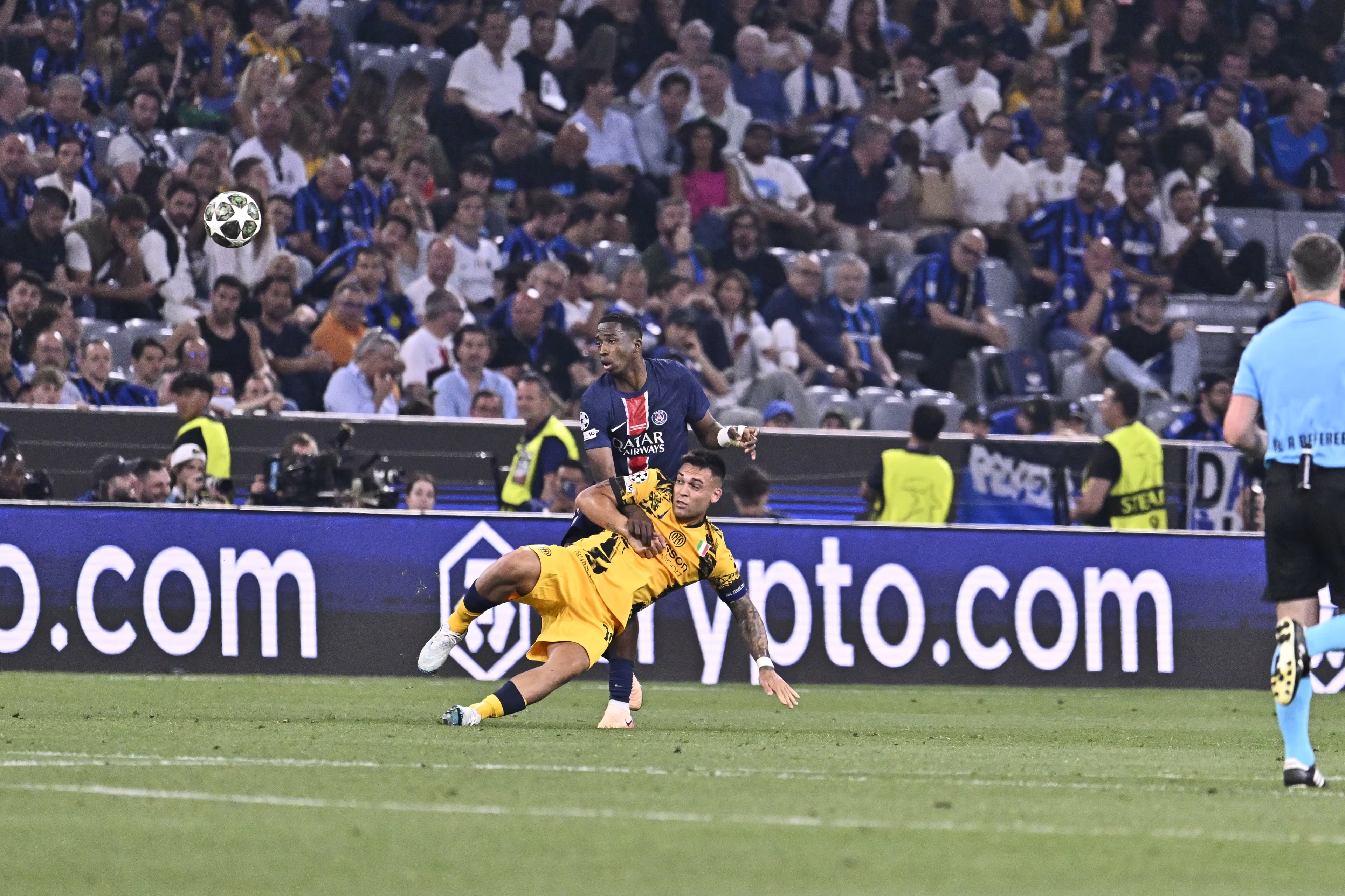
"That was a really powerful moment. When I was a kid, I never would have imagined that I could win the Champions League. Over time, though, I started believing that it was possible, and when it did happen, I truly felt that it was a dream come true. Above all, I thought about those who had helped me to get there, like my family, God and all of the teammates that I shared that moment with."
In the build-up to one of the goals, you busted a gut to win the ball back when it had seemed lost. What was that like for you?
"In moments like that, you should never give up on the ball; you never know what might happen next. My mentality is always to fight to the end, and I felt that I could still intervene. I managed to win the ball back, and that move eventually led to a goal, so I was really happy to have contributed to that moment for the team."
You became the first Ecuadorian to win the UCL trophy. What impact did that have on your country?
"What impacted me the most was seeing that it had given hope to a lot of people in Ecuador. A lot of young people now believe that it's possible to make that kind of dream come true in Europe. When I went back home, the reception that I got was incredible; I wasn't expecting it. Seeing how proud and excited people were was really special."
What do you remember about the celebrations after the final?
"One simple but unforgettable moment: on the plane after the game, everyone was tired, but at some point, someone put on some Latin music and we all started singing together. That was a moment of pure joy."
How would you describe the work that Luis Enrique does on a daily basis?
"He's an amazing person. A lot of people don't necessarily realise what kind of person he is, but he takes a real interest in us players as human beings and not just as footballers. He understands what we go through because he was a player himself. On the pitch, he conveys a huge desire to win and to improve every day, and since I've been here, he's really helped me to keep in mind the idea that you can always improve."
You're also about to be reunited with your Ecuador teammate Moisés Caicedo in the Champions League. What kind of relationship do you have with him?
"He's my best friend; I've known him ever since I joined Independiente del Valle. We've been through a lot together, both at international level and at club level. When we were young, we even shared an apartment with each other. We'd cook, wash up, watch TV... The fact that he moved to Europe before me motivated me to follow the same path, so being reunited with him in the Champions League will make that game very special."
What's he like in his everyday life?
"He's very respectful and very modest, and he always does things in the right way. On the pitch, he's incredibly competitive, but off it, he's an exceptional person. That's why I have so much affection for him."
How has Marquinhos helped you since you joined PSG?
"Marquinhos is an incredible person. Ever since I've been here, I've felt his support. He's been at the club for a long time and has set a very important example for its young players. He has that mentality of always wanting to win and to outdo himself. The fact that he speaks Spanish also helped me a lot at first. On the pitch, he gives me a lot of advice on how to anticipate the play, how to read situations and how to position myself. His help has been vital for my progression."